
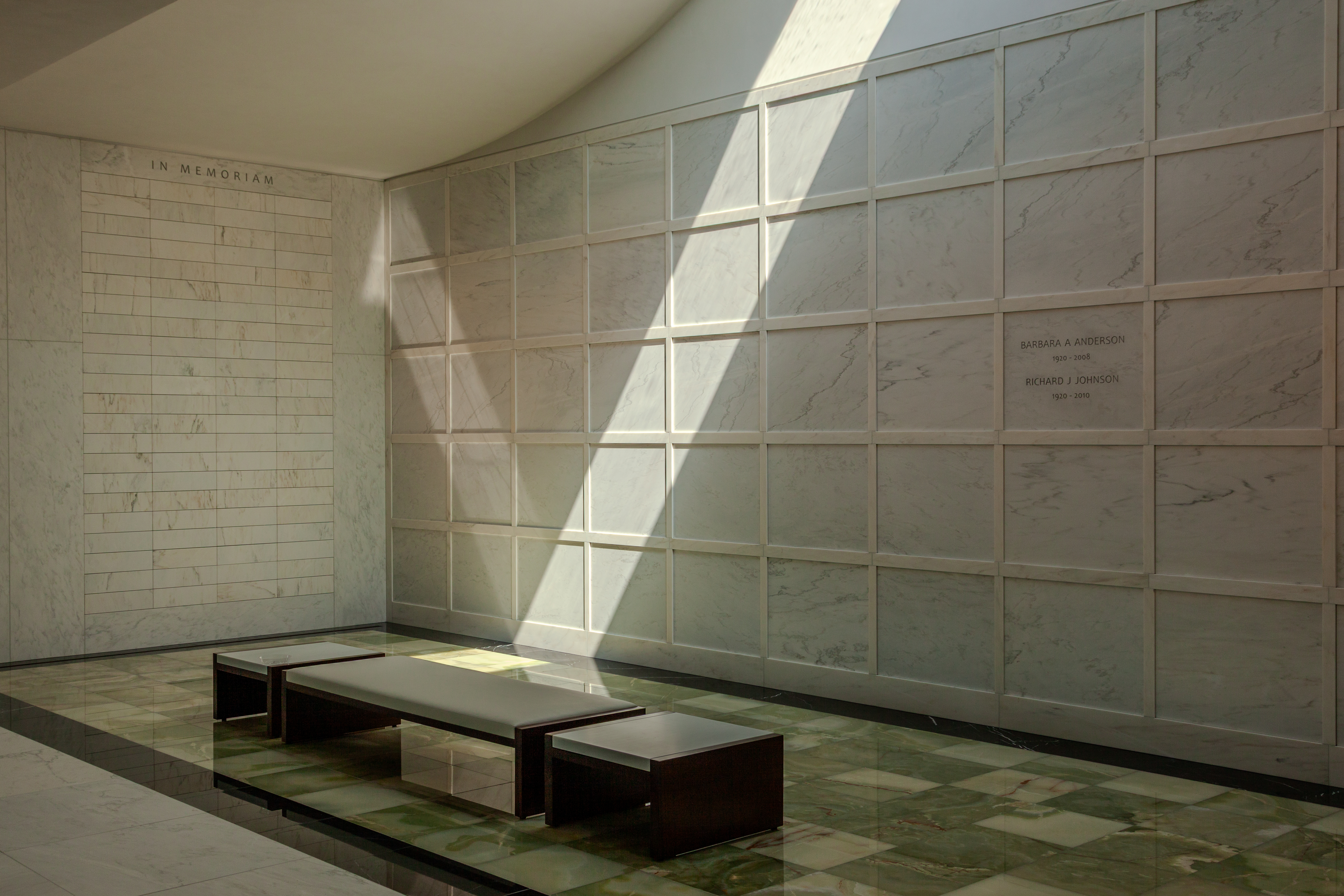
Funeral Home & Mausoleum Odor Removal
Maintaining a respectful, dignified, and odor-free environment is essential in every deathcare setting, including funeral homes, mausoleums, crematories, and preparation rooms. These facilities face some of the most persistent and challenging odors of any industry, from decomposition and embalming chemicals to floral decay and the off-gassing that occurs within crypts. Odors can quickly penetrate carpets, drapery, upholstery, casket displays, stone, and ventilation systems, making them nearly impossible to eliminate with standard cleaning alone. While routine sanitation is necessary, traditional cleaners and air fresheners mask odors rather than eliminating them, leaving behind biological compounds, bacteria, and airborne contaminants that affect grieving families, staff comfort, and the overall reputation of the facility. Ozone odor control technology provides a chemical-free, environmentally friendly, and highly effective solution, neutralizing odors at the source and helping to control the pests that those odors attract.
Common Sources of Odors in Deathcare Facilities
Funeral homes, mausoleums, and crematories can develop odors from a variety of sources:
- Mausoleums and crypts – Natural decomposition produces strong decay odors and gases that escape into corridors, chapels, and visitation areas, embedding in stone, grout, and surrounding surfaces.
- Preparation and embalming rooms – Formaldehyde, embalming fluids, disinfectants, and biological odors create strong chemical and organic smells that linger and migrate.
- Body holding and refrigeration areas – Cold storage and holding spaces accumulate persistent biological odors over time.
- Crematory and retort areas – Combustion and processing generate distinctive odors that can spread to adjacent rooms.
- Viewing rooms, chapels, and visitation areas – Floral decay, body odor, perfumes, and high visitor traffic combine into stubborn, embedded smells in fabrics and furnishings.
- Restrooms, lounges, and public spaces – Moisture, traffic, and cleaning products contribute to ongoing odor issues.
- HVAC systems – Ductwork circulates odors, bacteria, and airborne contaminants throughout the entire facility.
The Challenge of Crypt Flies (Phorid Flies)
Mausoleums and funeral homes face a unique and persistent pest problem: crypt flies, also known as phorid flies. These small flies are drawn to the decomposition odors and gases produced within crypts and preparation areas, where they breed and quickly establish recurring infestations. Conventional pest control offers only temporary relief because it does not address the underlying source, the odor-producing gases themselves. By neutralizing the decomposition odors and oxidizing the airborne compounds that attract and sustain these flies, ozone treatment disrupts the conditions phorid flies depend on, helping to reduce populations and keep them under control as part of an ongoing maintenance program.
Why Traditional Cleaning Methods Often Fail
While routine cleaning and disinfecting are important, sprays, perfumes, and chemical cleaners cannot remove odors at the molecular level. Decomposition gases, VOCs, embalming chemicals, and odor-causing compounds remain embedded in carpets, upholstery, drapery, stone, and HVAC systems, creating lingering odors and an environment that continues to attract pests. For families visiting during an already difficult time, even a faint odor can leave a lasting negative impression that no amount of masking fragrance can overcome.
How Ozone Eliminates Deathcare Odors
Ozone (O₃) is a naturally occurring molecule known for its oxidizing power. Ozone generators produce ozone from oxygen and release it into the air, where it reacts with odor-causing molecules at the molecular level.
- Neutralizes odors at the source – Breaks down decomposition gases, VOCs, embalming chemicals, and other organic odor compounds rather than masking them.
- Helps control crypt and phorid flies – By removing the odors and gases that attract them, ozone disrupts the conditions these pests rely on.
- Penetrates stone, fabrics, furnishings, and HVAC systems – Reaches crypts, drapery, upholstery, and ductwork that are difficult or impossible to clean manually.
- Chemical-free and residue-free – Leaves no perfumes, masking agents, or harmful residues, and naturally reverts to oxygen after treatment.
- Discreet, automated operation – Units can be placed out of sight and run on automatic timers, typically overnight, so treatment happens without staff intervention or disruption to families.
- Short half-life – Ozone molecules have a half-life of 20–30 minutes, during which they attach to odor molecules, neutralize them, and disperse harmlessly back into the atmosphere.
Applications in Funeral Homes, Mausoleums, and Crematories
Ozone treatment is effective throughout deathcare settings:
- Mausoleums and crypts – Neutralizes decomposition odors and off-gassing while disrupting the conditions that attract crypt flies.
- Preparation and embalming rooms – Reduces odors from embalming fluids, formaldehyde, disinfectants, and biological sources.
- Body holding and refrigeration areas – Controls persistent biological odors in cold storage and holding spaces.
- Viewing rooms, chapels, and visitation areas – Removes floral decay, perfume, and body odors embedded in carpets, drapery, and upholstery.
- Restrooms and public areas – Eliminates persistent odors from moisture, high traffic, and cleaning products.
- HVAC systems – Purifies circulated air, preventing odors and contaminants from spreading throughout the facility.
Benefits of Ozone Odor Removal in Deathcare
- Long-lasting odor control – Neutralizes odor molecules at the source rather than masking them.
- Pest control support – Helps reduce and control crypt (phorid) fly populations by removing the odors that attract them.
- Improved air quality – Oxidizes odor-causing VOCs and organic compounds that linger in the air.
- Chemical-free and eco-friendly – No masking fragrances or harsh residues, and ozone reverts naturally to oxygen.
- Discreet and time efficient – Hidden, automated, timer-based operation requires no staff labor and never disrupts services or families.
- Protects your reputation – A consistently fresh, dignified environment reinforces the trust families place in your facility.
Frequently Asked Questions (FAQ)
How does ozone remove odors in funeral homes and mausoleums?
Ozone oxidizes odor-causing compounds, decomposition gases, and VOCs at the molecular level. Unlike masking sprays, it neutralizes odors at their source and naturally reverts to oxygen.
Can ozone help control crypt flies or phorid flies?
Yes. Crypt flies are attracted to the decomposition odors and gases produced in crypts and preparation areas. By neutralizing those odors at the source, ozone disrupts the conditions these flies rely on, helping to reduce and control populations over time.
Is ozone safe to use in a funeral home?
Yes. Ozone treatment should be applied in unoccupied areas, typically overnight on an automatic timer. After proper ventilation, treated spaces are safe for staff, families, and visitors.
Will ozone eliminate odors from drapery, carpets, and furnishings?
Yes. Ozone penetrates fabrics, carpets, upholstery, and stone, neutralizing decomposition odors, floral decay, perfumes, and embalming smells that embed in these materials.
Can ozone be used in preparation and embalming rooms?
Yes. Ozone reduces odors from embalming fluids, formaldehyde, disinfectants, and biological sources, while also neutralizing airborne contaminants in unoccupied treatment areas.
How long does ozone odor removal last?
Ozone neutralizes the odor molecules present during treatment. Because deathcare facilities continuously generate new odor sources, periodic or scheduled treatments, often on a nightly automatic cycle, maintain a consistently fresh, clean environment.
Dignified, Fresh, and Welcoming Deathcare Environments
Ozone technology provides a chemical-free, long-lasting, and professional-grade solution for odor removal in funeral homes, mausoleums, crematories, and preparation facilities. By neutralizing odors and the gases that attract pests at the molecular level, deathcare providers can maintain clean, respectful, and welcoming environments that honor the families they serve and protect the reputation of their business.
Explore our ozone odor removal systems for the deathcare profession - trusted for discreet, lasting odor and pest control in funeral homes, mausoleums, and crematories.